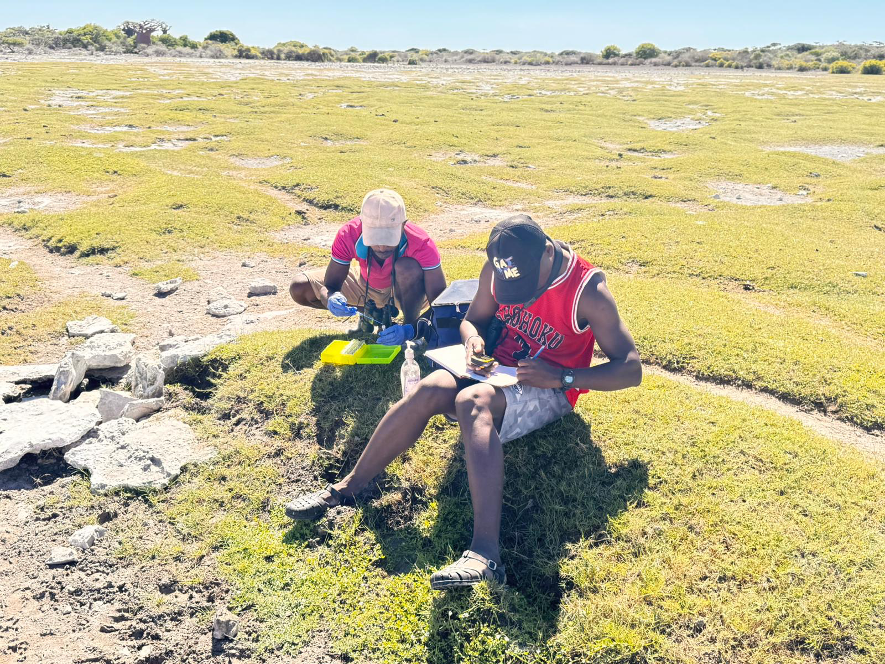
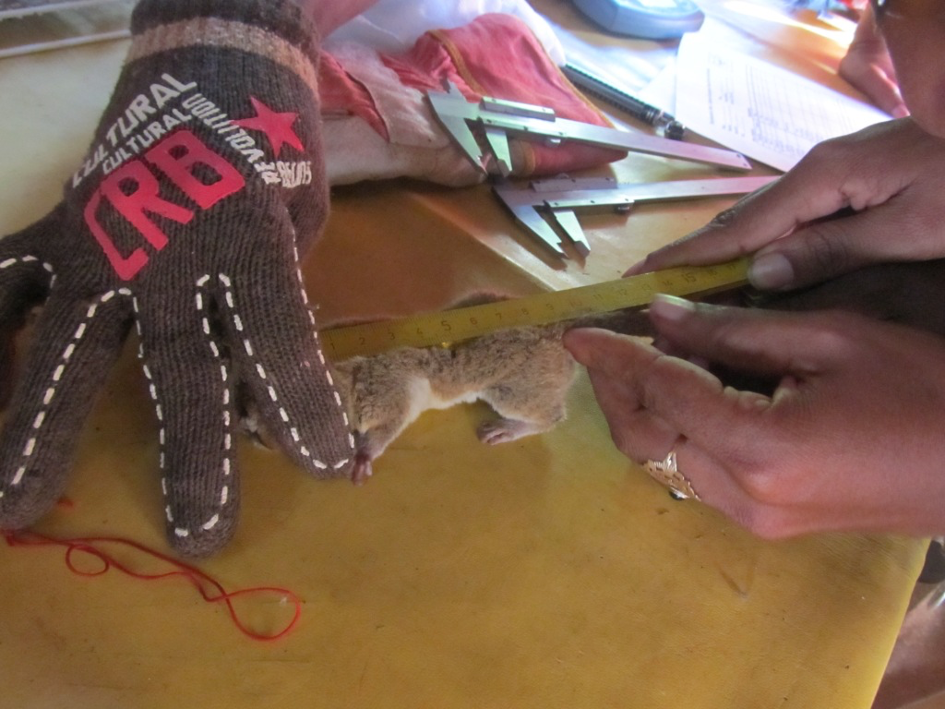
Our project emphasizes the integration of environmental education with rigorous research to promote sustainable development, biodiversity conservation, and community empowerment. Through targeted education programs, we aim to raise awareness and build local capacity to understand and manage natural resources responsibly. School-based initiatives will integrate hands-on activities such as tree planting, waste management, and wildlife monitoring, while teacher training and eco-clubs will empower youth to become environmental ambassadors. Community workshops, awareness campaigns, and media outreach—including radio programs and locally adapted materials—will foster broader engagement and promote sustainable practices among adults, with a particular focus on women and marginalized groups. Parallel to education, the project prioritizes applied research to inform interventions and ensure evidence-based outcomes. Baseline environmental assessments will identify critical habitats, endangered species, and ecosystem health, while socioeconomic surveys will analyze community dependence on natural resources and opportunities for sustainable livelihoods. Monitoring and evaluation systems will track project impacts and enable adaptive management. Additionally, pilot initiatives such as agroforestry, mangrove restoration, and renewable energy adoption will generate practical insights for conservation and climate resilience. Collaboration with universities, research centers, and NGOs will strengthen scientific rigor and knowledge exchange, ensuring lessons learned are shared for broader impact. By linking education and research, the project not only equips communities with knowledge and skills to safeguard their environment but also provides the evidence base necessary for sustainable, long-term interventions. Together, these complementary strategies create a virtuous cycle: informed communities actively participate in conservation, while research continuously guides and improves project effectiveness.